
Orthodontic treatment is widely known for correcting misaligned teeth and improving smiles. In many cases, braces or aligners are sufficient to achieve the desired results. However, for some individuals with severe misalignment or jaw irregularities, orthodontic surgery becomes necessary. This specialized procedure addresses issues that cannot be resolved with traditional orthodontic methods alone.
If you’ve been advised to consider orthodontic surgery, it’s important to understand its role and how it works. This blog will provide detailed insights into why orthodontic surgery is sometimes needed and what it involves.
What is Orthodontic Surgery?
Orthodontic surgery, also called orthognathic surgery, is a procedure performed to correct severe jaw misalignments and improve the functionality of the teeth and jaw. It is typically recommended for patients with structural issues in their jawbones that impact their ability to chew, speak, or breathe comfortably.
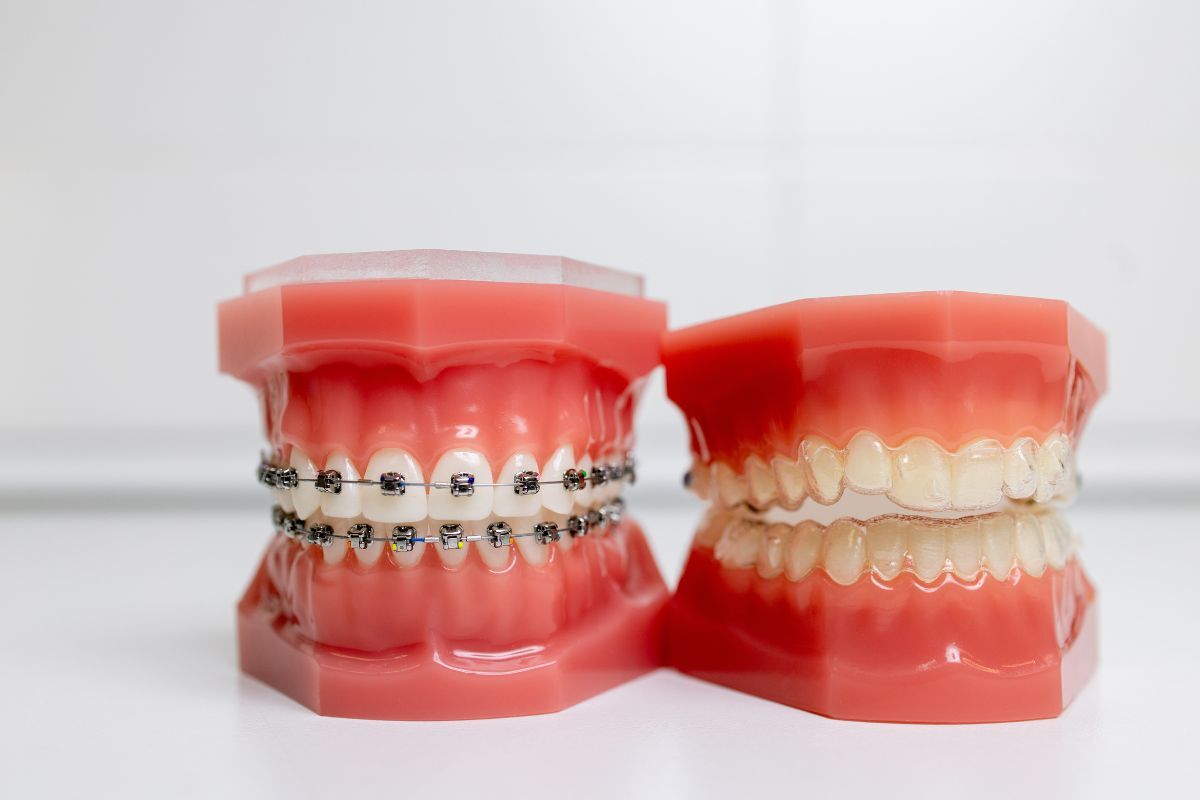
This type of surgery is often combined with orthodontic treatment, such as braces or aligners, to ensure that the teeth are properly aligned once the jaw is repositioned.
Who Needs Orthodontic Surgery?
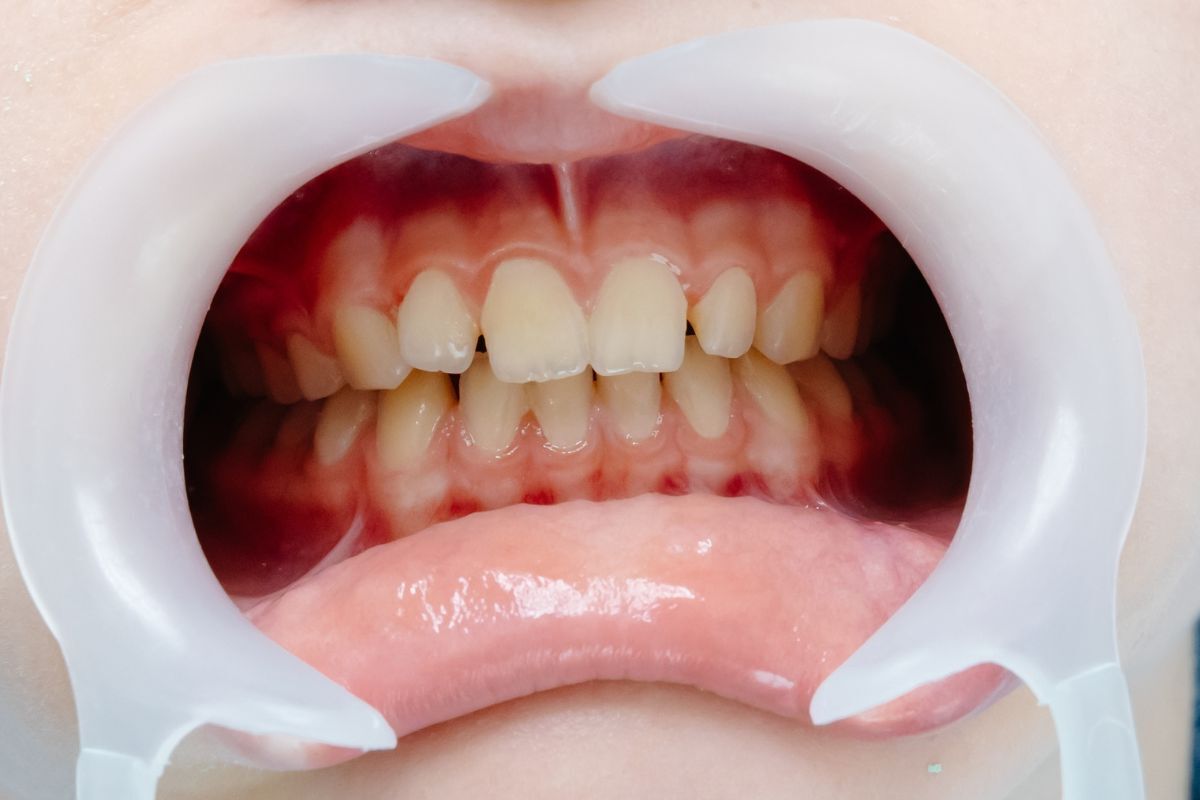
Not everyone with orthodontic issues will require surgery. For many patients, traditional treatments like braces or clear aligners can correct common problems. However, orthodontic surgery may be necessary in cases where misalignment is caused by the structure of the jaw rather than just the positioning of the teeth.
Common Reasons for Orthodontic Surgery:
- Severe Overbite or Underbite
When the upper and lower jaws do not align properly, it can cause discomfort and functional issues. - Facial Asymmetry
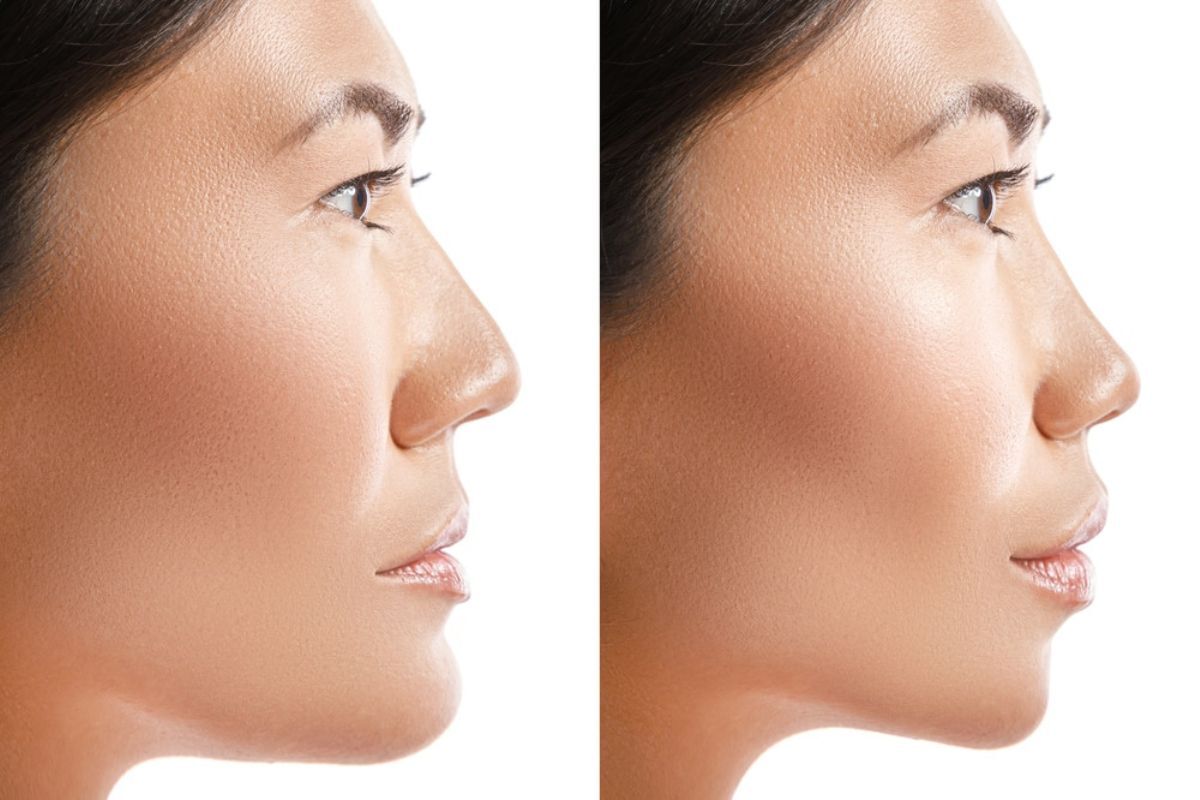
Misalignment of the jaws can lead to an uneven appearance of the face, which may also affect self-confidence. - Open Bite
An open bite occurs when the upper and lower teeth do not touch when the mouth is closed, causing problems with chewing. - Sleep Apnea
Structural problems in the jaw can contribute to breathing difficulties, including sleep apnea. - Difficulty Chewing or Speaking
When misalignment interferes with everyday activities like eating or talking, surgery may be necessary to improve function.
What Does Orthodontic Surgery Involve?
Orthodontic surgery is a planned and collaborative process between an orthodontist and an oral surgeon. Below is an overview of the steps involved:
1. Initial Consultation
The process begins with a consultation to evaluate the extent of the misalignment. Your orthodontist will determine whether surgery is necessary and create a treatment plan tailored to your needs.
2. Pre-Surgery Orthodontic Treatment
Before surgery, patients usually wear braces or aligners for several months to align the teeth in preparation for the procedure. This ensures that the teeth are positioned correctly once the jaw is adjusted.
3. The Surgery
The surgery itself is performed under general anesthesia by a skilled oral surgeon. Depending on the condition being treated, the surgeon may reposition the upper jaw, lower jaw, or both. Surgical plates, screws, or wires are often used to secure the jaw in its new position.
4. Recovery Period
Recovery from orthodontic surgery typically takes several weeks. During this time, patients may need to follow a soft-food diet and avoid strenuous activities. Your orthodontist and surgeon will provide detailed aftercare instructions.
5. Post-Surgery Orthodontic Treatment
After healing, the orthodontist will continue treatment with braces or aligners to fine-tune the alignment of the teeth. This step is crucial to achieving the best possible results.
Benefits of Orthodontic Surgery
Orthodontic surgery offers both functional and aesthetic benefits, improving not only the alignment of your teeth and jaw but also your overall quality of life.
1. Improved Jaw Function
Orthodontic surgery can correct bite issues, making it easier to chew, speak, and breathe.
2. Enhanced Appearance
Repositioning the jaw can create a more symmetrical and balanced facial structure, boosting self-esteem.
3. Long-Term Results
By addressing the root cause of severe misalignment, orthodontic surgery provides lasting improvements that traditional treatments cannot achieve alone.
4. Relief from Discomfort
For individuals experiencing pain or discomfort due to jaw misalignment, surgery can offer significant relief.
Risks and Considerations
Like any surgical procedure, orthodontic surgery comes with certain risks. These may include infection, swelling, or discomfort during the recovery period. However, these risks are typically outweighed by the long-term benefits.
It’s essential to follow your orthodontist’s and surgeon’s recommendations closely to minimize complications and ensure a smooth recovery.
How to Decide If Orthodontic Surgery Is Right for You
Deciding whether to proceed with orthodontic surgery can feel overwhelming. Here are some steps to help you make an informed decision:
1. Consult with Experts
Seek advice from experienced professionals. Your orthodontist and oral surgeon can assess your condition and provide personalized recommendations.
2. Understand Your Treatment Plan
Make sure you fully understand the treatment plan, including the timeline, expected results, and any associated risks.
3. Consider Alternatives
In some cases, less invasive treatments may be sufficient. Discuss alternative options with your orthodontist to ensure you choose the best path forward.
4. Evaluate the Benefits
Consider how the surgery will improve your life, both in terms of functionality and appearance. Weigh the benefits against the temporary discomfort of recovery.
Conclusion
Orthodontic surgery plays a crucial role in correcting severe misalignment and jaw irregularities. While it may seem like a complex process, it offers life-changing results for those struggling with functional and aesthetic issues.
If you’re considering this option, consult a qualified professional to discuss your specific needs. An experienced team can guide you through the process and help you achieve a healthier, more confident smile. If you’re searching for specialists in Orthodontic Surgery in Green, reach out to trusted professionals to learn more about your options.