
Jaw surgery, also known as orthognathic surgery, is a procedure designed to correct issues related to jaw alignment, bite function, and facial balance. It is commonly recommended for individuals with misaligned jaws, severe bite problems, or obstructive sleep apnea. Whether the goal is to improve functionality or enhance facial aesthetics, understanding the process can help ease concerns and prepare for a smooth experience.
Why Jaw Surgery is Needed
There are various reasons why a person might need jaw surgery. Some of the most common include:
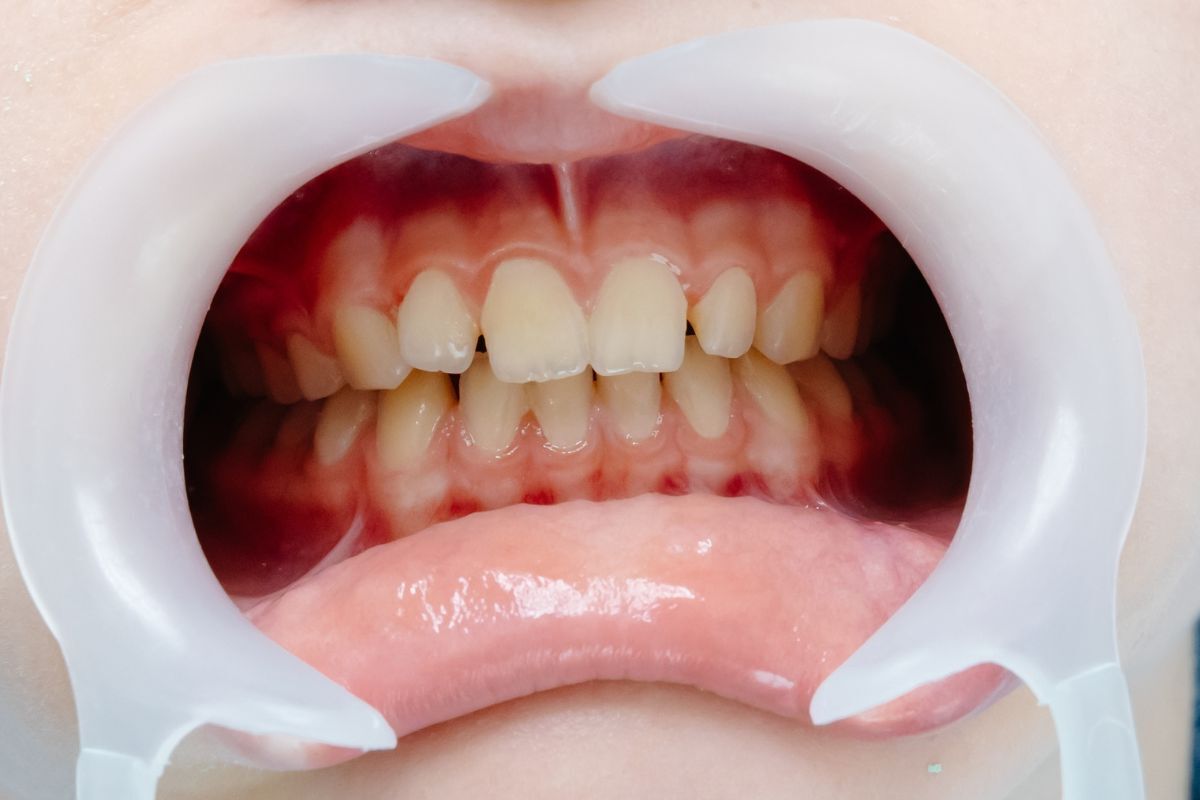
- Bite Problems – If the upper and lower jaws do not align correctly, it can cause difficulty in chewing, speaking, and even breathing.
- Jaw Misalignment – An improperly positioned jaw can cause discomfort, facial asymmetry, and functional issues.
- TMJ Disorders – Chronic jaw pain and discomfort may require surgical intervention.
- Sleep Apnea – In severe cases, jaw surgery can help open the airway, reducing breathing difficulties.
- Facial Injuries – Trauma or congenital conditions may require jaw reconstruction.
Preparing for Jaw Surgery
Before undergoing orthodontic surgery in Green, your orthodontist and oral surgeon will conduct a thorough evaluation. The preparation phase often includes:
- Dental and Medical Assessments – X-rays, scans, and impressions are taken to analyze jaw structure and bite alignment.
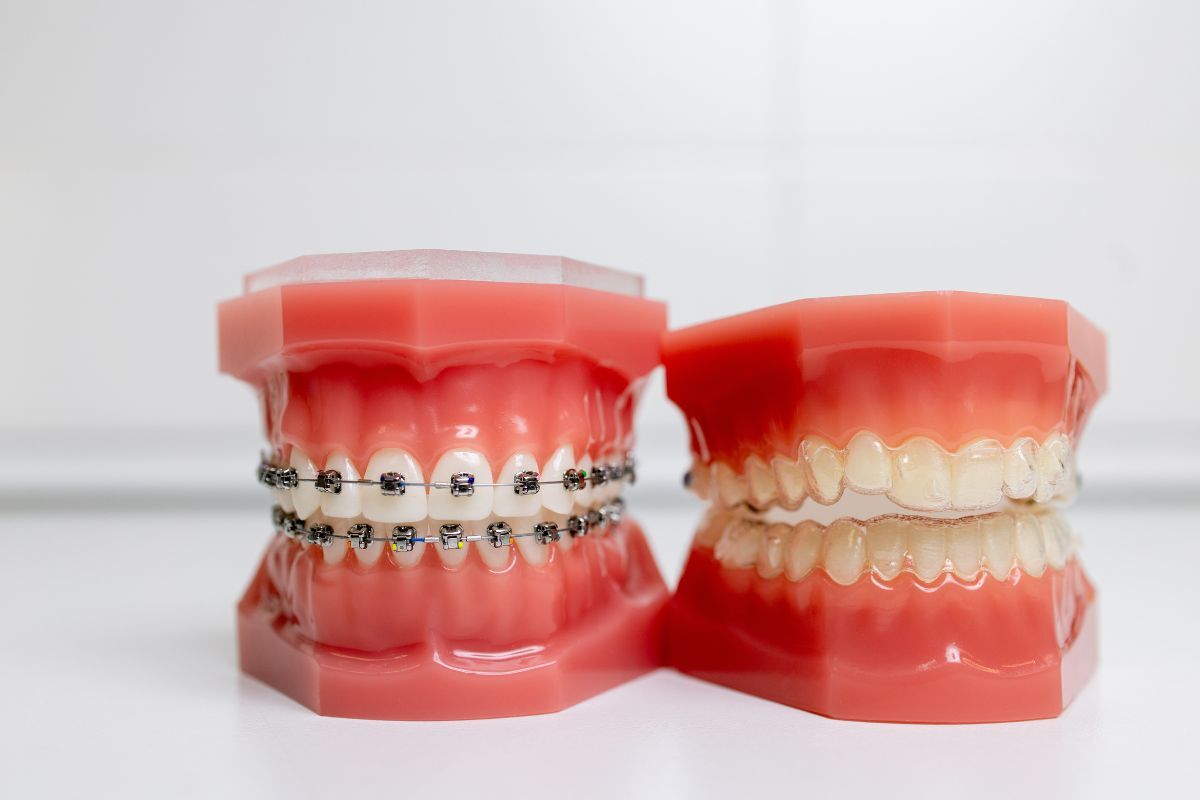
- Braces or Orthodontic Treatment – Many patients need to wear braces before surgery to position their teeth correctly.
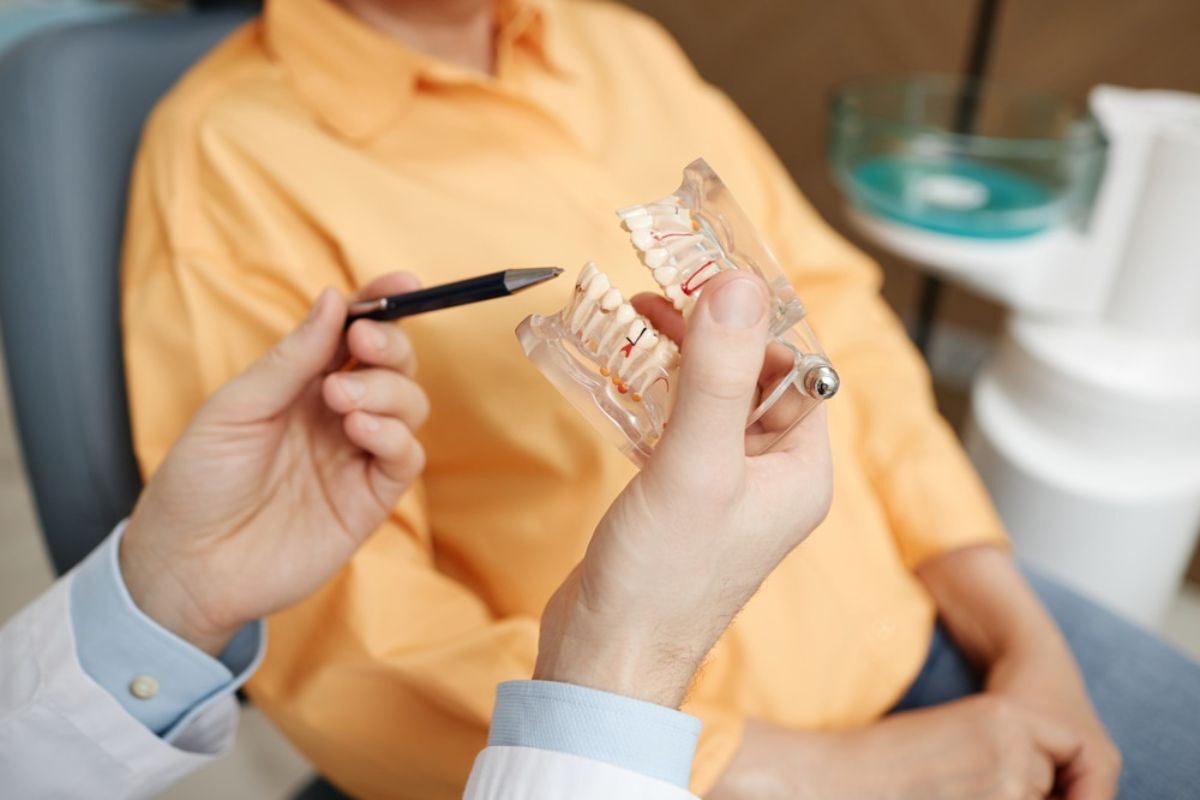
- Customized Treatment Plan – Your surgeon will outline the procedure, expected outcomes, and recovery plan.
- Pre-Surgery Instructions – You may be advised to adjust your diet, avoid certain medications, and prepare for a temporary liquid diet post-surgery.
The Jaw Surgery Procedure
The actual surgery is performed under general anesthesia and can take several hours, depending on the complexity of the case. The surgeon may:
- Reposition the Jaw – The upper jaw, lower jaw, or both may be moved forward, backward, or reshaped.
- Secure the Jaw with Plates and Screws – Small surgical plates, screws, or wires are used to stabilize the jaw.
- Adjust Soft Tissues – In some cases, the surrounding soft tissues are adjusted for improved balance and aesthetics.
Recovery After Jaw Surgery
Recovering from orthodontic surgery in Green requires patience and proper care. Here’s what you can expect:
Immediate Post-Surgery Phase
- Swelling, bruising, and mild discomfort are common but manageable with prescribed pain medication.
- A liquid or soft-food diet will be necessary for several weeks.
- Limited jaw movement will be required to allow healing.
Long-Term Recovery
- The initial healing phase takes about six weeks, while complete recovery may take several months.
- Regular follow-up visits with your surgeon and orthodontist are essential.
- Speech and eating may feel different initially, but they will improve with time.
- Physical therapy exercises may be recommended to regain jaw mobility.
Tips for a Smooth Recovery
- Follow Dietary Guidelines – Stick to soft or liquid foods as instructed.
- Practice Good Oral Hygiene – Rinse with prescribed mouthwash and use a soft toothbrush.
- Get Plenty of Rest – Allow your body time to heal by avoiding strenuous activities.
- Use Cold Compresses – Helps reduce swelling and discomfort.
- Stay Hydrated – Drinking plenty of water aids in the healing process.
Final Thoughts
Jaw surgery is a significant but beneficial procedure that can improve both function and appearance. Understanding what to expect before, during, and after the process can help you prepare mentally and physically. If you are considering this procedure, consult a trusted specialist to discuss your options and develop a personalized treatment plan for the best possible outcome.