
A beautiful smile is something many people aspire to, but achieving it often requires more than just cosmetic treatment. Sometimes, the foundation of your smile—your jaw and the bones that support your teeth—needs extra attention. This is where orthodontic surgery comes in. Orthodontic surgery is a medical procedure that can greatly enhance the alignment of your teeth, the health of your jaw, and ultimately, the appearance of your smile.
If you’ve ever experienced difficulty chewing, biting, or even speaking, orthodontic surgery might be the solution you need. It goes beyond the traditional braces and clear aligners to correct more complex issues with the jaw and teeth. Let’s dive into how this surgery can improve the foundation of your smile and how it can lead to a healthier, more confident you.
What is Orthodontic Surgery?
Orthodontic surgery, also known as orthognathic surgery, is a type of surgery that focuses on realigning the jaw and correcting bite problems. This procedure is typically done when traditional braces or clear aligners are not enough to fix issues like severe misalignment or a bad bite.
The goal of this surgery is to reshape the jaw to its proper position, which, in turn, improves the bite, function, and appearance of the smile. This type of surgery is often combined with orthodontic treatments like braces or aligners to ensure the teeth and jaw work together as they should.
When Is Orthodontic Surgery Needed?
Orthodontic surgery is not necessary for everyone. Most people with mild or moderate misalignment can achieve great results with braces or clear aligners. However, there are specific conditions that may require surgery, including:
1. Severe Overbite or Underbite
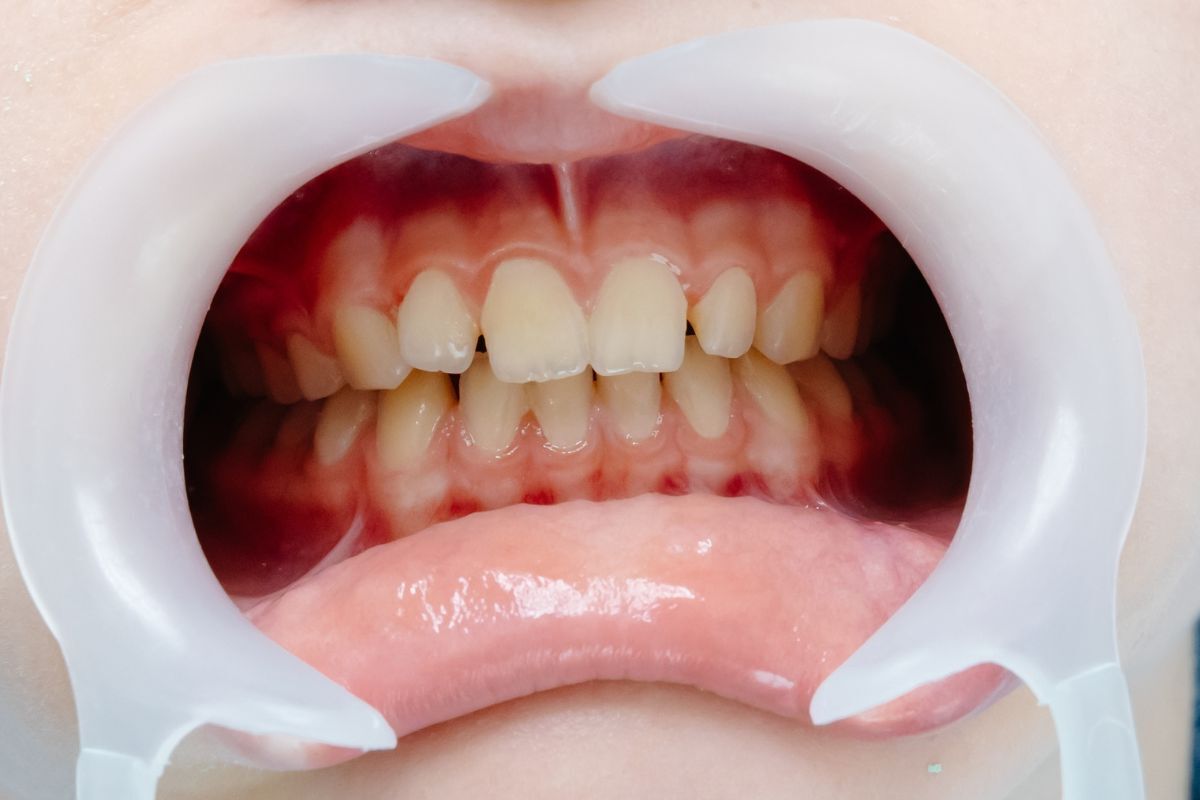
An overbite occurs when the upper teeth protrude too far over the lower teeth, while an underbite occurs when the lower teeth extend beyond the upper teeth. Both can make biting, chewing, and speaking difficult. In some cases, orthodontic surgery can correct these issues when braces alone cannot.
2. Jaw Discrepancies
If your upper and lower jaw are not aligned correctly, it can lead to functional problems like difficulty chewing or speaking. Orthodontic surgery realigns the jaw to improve function and appearance.
3. Facial Asymmetry
In some cases, one side of the face may appear different from the other due to jaw misalignment. Surgery can help create a more balanced, symmetrical look.
4. Sleep Apnea
Some people suffer from sleep apnea due to the positioning of their jaw. Orthognathic surgery can help reposition the jaw and improve breathing patterns, reducing symptoms of sleep apnea.
How Does Orthodontic Surgery Improve Your Smile?
1. Better Bite and Function
One of the main reasons for considering orthodontic surgery is to correct a bad bite. A proper bite is essential for the overall function of your teeth. With a better bite, you can chew food more easily, speak more clearly, and avoid unnecessary wear on your teeth. Orthodontic surgery realigns the jaw and teeth, allowing them to work together efficiently.
2. Improved Jaw Alignment
Orthodontic surgery can improve the alignment of the upper and lower jaws, correcting issues like an overbite, underbite, or crossbite. When the jaws are aligned properly, the teeth will fit together more comfortably, making it easier to bite and chew. The improved alignment also reduces the strain on the jaw muscles, leading to less pain and discomfort.
3. Enhanced Facial Appearance
When your jaw is out of alignment, it can affect the overall appearance of your face. Orthodontic surgery can help reshape the jaw, giving you a more balanced and harmonious facial profile. The surgery addresses issues like a receded chin, a prominent jaw, or uneven facial features, leading to a more attractive and symmetrical appearance.
4. Prevention of Long-Term Dental Issues
Misaligned jaws can lead to several long-term dental issues, such as tooth wear, gum disease, and even jaw pain. By correcting these misalignments early, orthodontic surgery can help prevent these problems from developing and protect your teeth and gums in the future.
The Process of Orthodontic Surgery
Orthodontic surgery is typically done in several steps, with the overall process involving a combination of braces or aligners and surgery itself.
1. Pre-Surgery Phase
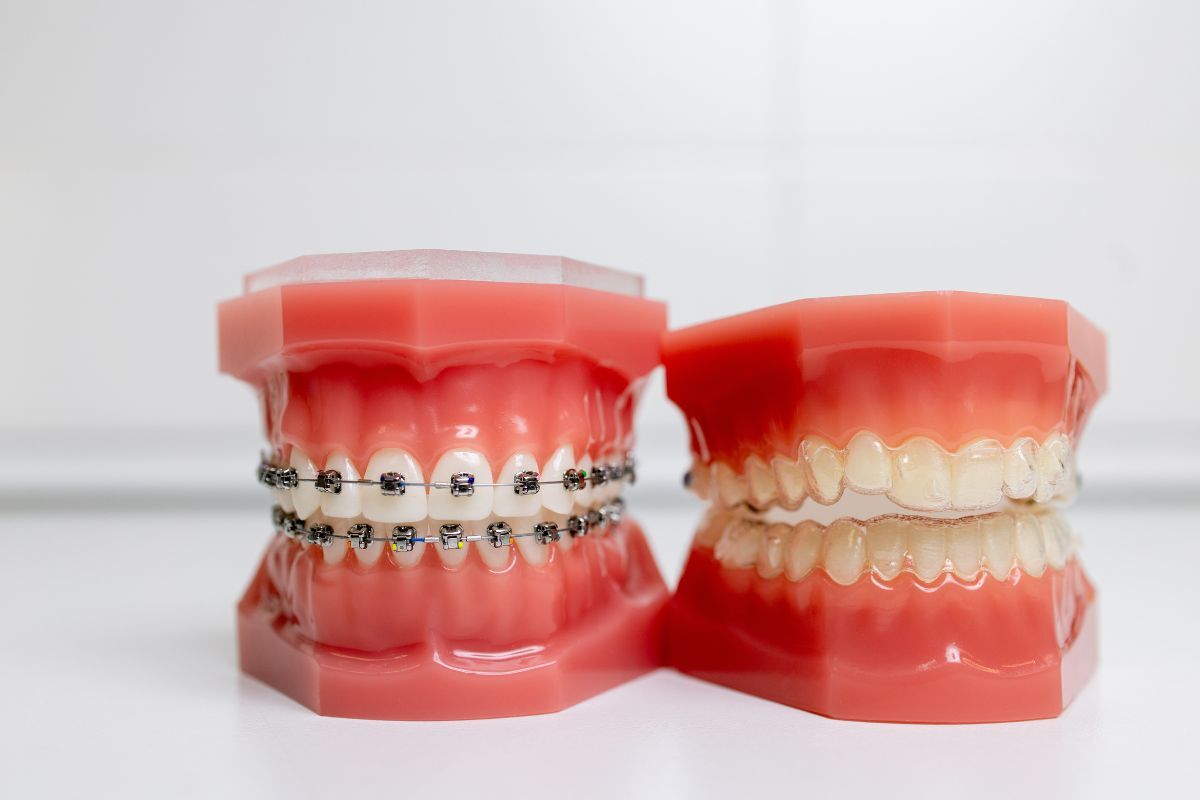
Before the surgery, your orthodontist will likely recommend braces or clear aligners. These devices will gradually move your teeth into a better position. You may need to wear braces for several months or even years before surgery, depending on the complexity of your case.
2. Surgical Phase
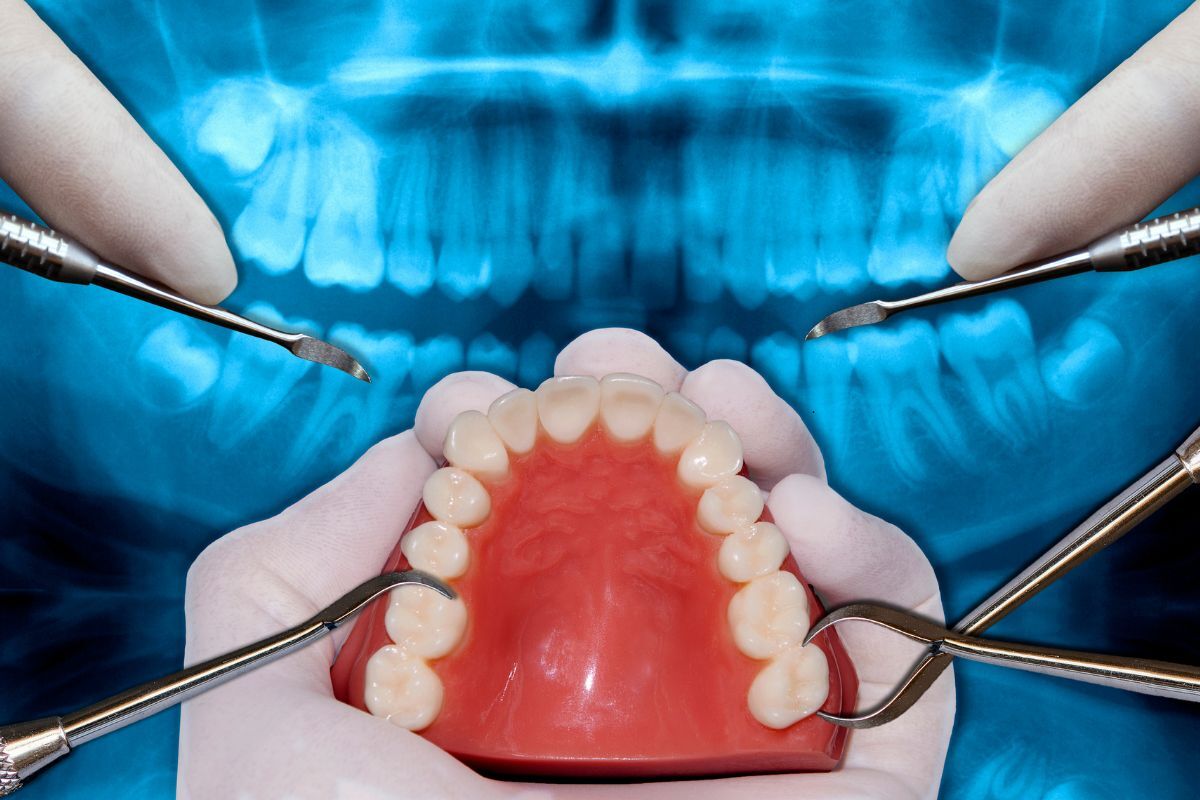
The surgery itself is typically done in a hospital under general anesthesia. During the procedure, the surgeon will reposition your jaw to the correct alignment. This may involve cutting the jaw bones and repositioning them. In some cases, the surgeon may also reshape the chin or other facial bones.
3. Post-Surgery Care
After the surgery, you’ll need to follow specific instructions for recovery. This may include eating soft foods, taking medications to manage pain, and practicing good oral hygiene to prevent infections. It can take several weeks to fully recover from the surgery, and you’ll likely continue wearing braces or aligners afterward to fine-tune your teeth’s position.
Benefits of Orthodontic Surgery
While orthodontic surgery may seem daunting, it offers several benefits that make it a worthwhile consideration for those with severe jaw and bite issues. Some of the key advantages include:
1. Enhanced Quality of Life
Orthodontic surgery can improve your ability to chew, speak, and breathe comfortably. It can reduce jaw pain, headaches, and other discomforts caused by misalignment. The overall result is a better quality of life.
2. Long-Term Results
The results of orthodontic surgery are long-lasting, often permanent. Once the jaw is realigned, the function and appearance of your smile are greatly improved, reducing the need for future treatments or adjustments.
3. Boost in Confidence
A more aligned jaw and better bite can significantly improve your self-esteem. With an enhanced smile and facial appearance, you’ll feel more confident in social situations and improve your overall well-being.
Conclusion
Orthodontic surgery can be a life-changing procedure for those who suffer from severe jaw misalignments or bite issues. By improving the foundation of your smile, this surgery enhances your ability to chew, speak, and live pain-free. If you’re considering this treatment, consult with an orthodontist to discuss your options and determine whether surgery is the right solution for you. The result will be not only a healthier smile but also a more confident you!